Common Mistakes in Full-Stack Development (And How to Avoid Them)
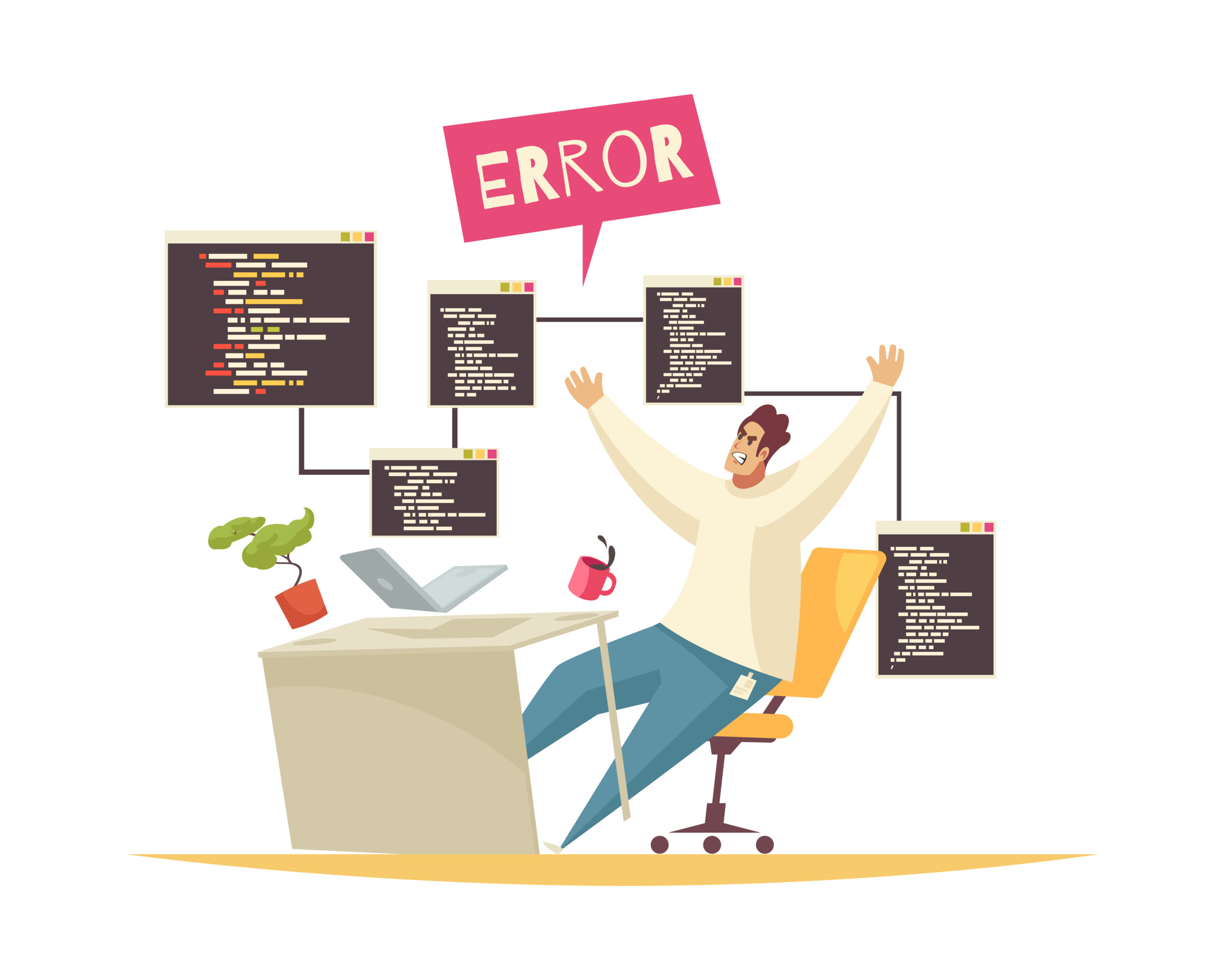
Full-stack development offers the flexibility to build complete web applications—from frontend interfaces to backend logic and databases. However, managing both sides of development comes with challenges. Many projects fail or underperform not because of lack of effort, but due to common mistakes in full-stack development.
Understanding these mistakes early can help developers and businesses save time, reduce costs, and build scalable, high-performing applications.
1. Skipping Proper Planning and Architecture
One of the biggest mistakes in full-stack development is starting to code without a clear plan.
Common issues include:
- Undefined requirements
- Poor system architecture
- Lack of scalability planning
Without proper planning, applications become difficult to maintain and scale. A strong architecture ensures clean code, better performance, and long-term stability.
2. Overloading the Frontend with Logic
Placing too much logic on the frontend can cause:
- Security risks
- Poor performance
- Hard-to-maintain code
Business logic should primarily reside on the backend, while the frontend focuses on presentation and user interaction.
3. Ignoring Security Best Practices
Security is often overlooked until it’s too late.
Common security mistakes include:
- Poor authentication and authorization
- Exposing sensitive data
- Not validating user inputs
Following security best practices—such as data validation, encryption, and secure authentication—helps protect applications from vulnerabilities.
4. Poor API Design
APIs are the backbone of full-stack applications.
Mistakes in API design include:
- Inconsistent endpoints
- Lack of documentation
- Over-fetching or under-fetching data
Well-designed APIs improve performance, maintainability, and collaboration between frontend and backend teams.
5. Not Optimizing Database Performance
Database-related issues can severely impact application performance.
Common mistakes:
- Inefficient queries
- Lack of indexing
- Poor database structure
Optimized databases ensure faster response times and better scalability.
6. Neglecting Performance Optimization
Performance is often ignored during early development stages.
Common performance issues include:
- Large bundle sizes
- Unoptimized images and assets
- Slow server responses
Performance optimization should be part of development from the beginning—not an afterthought.
7. Inconsistent Code Structure and Standards
Lack of coding standards leads to:
- Confusing codebases
- Difficult collaboration
- Increased maintenance costs
Using consistent naming conventions, folder structures, and documentation improves code readability and team efficiency.
8. Insufficient Testing
Skipping testing can lead to:
- Hidden bugs
- Unexpected failures
- Poor user experience
Common testing mistakes:
- No unit tests
- No integration tests
- Limited manual testing
Testing ensures application reliability and reduces long-term issues.
9. Ignoring User Experience (UX)
Full-stack development is not just about functionality—it’s also about experience.
Ignoring UX results in:
- Confusing interfaces
- Low user engagement
- Poor conversion rates
Developers should consider usability, accessibility, and responsiveness throughout development.
10. Lack of Documentation
Poor documentation creates long-term problems.
Without documentation:
- Onboarding new developers becomes difficult
- Debugging takes longer
- Maintenance becomes risky
Clear documentation ensures smooth collaboration and future scalability.
11. Not Planning for Scalability
Many applications are built for the present, not the future.
Scalability mistakes include:
- Hard-coded logic
- Monolithic architecture without planning
- No load-handling strategy
Planning for scalability ensures applications can grow without major rewrites.
12. Failing to Maintain and Update Applications
Launching an application is not the end.
Common maintenance mistakes:
- Ignoring updates
- Delaying bug fixes
- Neglecting security patches
Regular maintenance keeps applications secure, fast, and reliable.
How to Avoid These Full-Stack Development Mistakes
To build better full-stack applications:
- Plan before coding
- Follow best practices
- Prioritize security and performance
- Write clean, maintainable code
- Test regularly
- Document everything
A structured approach leads to better outcomes.
Full-stack development offers powerful capabilities, but only when done correctly. Avoiding these common mistakes helps developers and businesses create applications that are secure, scalable, and user-friendly.
By focusing on planning, performance, security, and maintainability, full-stack development becomes a strong foundation for long-term success.
Final Thought
Great full-stack development is not about doing everything—it’s about doing the right things well. When strategy, code, and experience work together, applications thrive.